

Featured Item
Revere 3/4" (800)
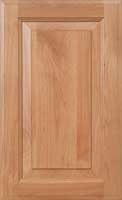
Revere 3/4" (800), a classic look that complements a variety of design styles. View Door
-
Standard vs. Reconstituted Veneer
Veneer is cut from a log into sheets in varying thickness down to as thin as 1/40” thick. This allows you to get the look you want accompanied with an envi
-
Applied molding doors
Applied molding doors are made in the same manner as their butt joint or mitered joint counterparts. A special inside edge detail which corresponds to the
-
Can I change the molding on an applied molding door?
The applied molding for a given style can be changed for another style of molding at additional cost. Call our customer service team to check availability
-
Edge banded door manufacturing
Doors are cut to size and square on a panel cutting saw. Edge tape is then applied and trimmed using an edgebander. The corners and edges are then buffed o
-
Louver Looks vs True Louver Doors
True louvered doors are made with many small slats inserted into the frame of the door at a slight angle. These slats allow for venting to occur across the
-
1-Piece Fingerpull Routs
For doors and drawer fronts requiring fingerpull details on the back we offer several fingerpull options that go around the entire outside of the piece.
-
Rope molding doors
Rope molding doors are made in the same manner as a mitered joint door. A special molding knife is used which cuts a groove for the rope molding insert. Th
-
Slab door manufacturing
Boards which are best suited for slab doors are separated out and cross cut to the custom height of your cabinet door, making a set of color matched staves
-
Changing Inserts for Rope Molding Doors | Doors | Decore.com
Can I order other inserts for rope molding doors? The groove for the rope insert is fixed in size and other inserts are not available. For a unique look se
-
What is a Butt Joint? | Butt Joint Cabinet Doors | Decore.com
Butt Joints, or Cope n' Stick joints, are made with frame sections being joined at a 90° angle in the corners. Traditionally the rails, or horizontal