

Soft Maple
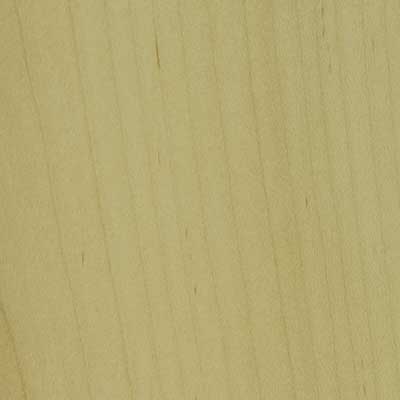
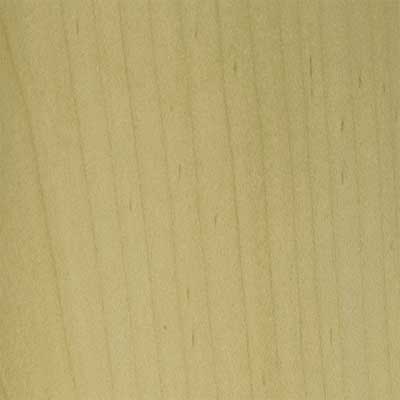

General Info and Benefits
Soft Maple - Acer rubrum, Acer saccharinum
Other Names: Red Maple, Silver Maple, Box Elder
General Description
• In most respects soft maple is very similar to hard maple.
• Generally the sapwood is greyish white, sometimes with darker colored pith flecks. The heartwood varies from light to dark reddish brown.
• The wood is usually straight-grained.
• The lumber is generally sold unselected for color.
Physical Properties
• Soft maple is about 25 percent less hard than hard maple, has medium bending and crushing strength, and is low in stiffness and shock resistance. It has good steam-bending properties.
• Janka Hardness Scale = 900 (higher Janka rating = harder wood)
Where It Grows
• Throughout Eastern U.S. and to a lesser extent on the West Coast (bigleaf maple). Average tree height is 60 to 80 feet.
Relative Abundance
• 4 percent of U.S. hardwoods are commercially available
• Readily available
Did You Know?
• Charcoal is often made from soft maple
-
 Soft Maple Finish GradeSoft Maple Finish Grade is designed to be used when having your products finished by Decore-ative Specialties. With Finish Grade materials you will receive the material option that best suits the look you have selected, whether you choose a clear or stain finish.
-
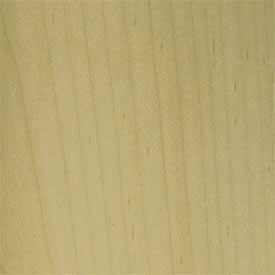 Soft MapleSoft Maple has similar characteristics to our standard Maple, though the color may be more honey-toned than white. It may also have some light pink and/or gray mixed in as well. Soft maple shows a greater amount of mineral streaking, and generally will have "fleck" in the grain as well.